A Comprehensive Guide to Diet and Exercise for Thyroid Patients
19 Feb 2026

Managing a thyroid condition—whether it is hypothyroidism (underactive) or hyperthyroidism (overactive)—goes far beyond just taking daily medication. Your lifestyle, specifically what you put on your plate and how you move your body, plays a massive role in regulating your hormones, boosting your energy levels, and managing your weight.
While medication restores hormone balance, a targeted diet and exercise routine can help you take back control of your day-to-day symptoms. Here is what you need to know about eating and exercising for optimal thyroid health.
The Thyroid-Friendly Diet: What to Eat and What to Limit :
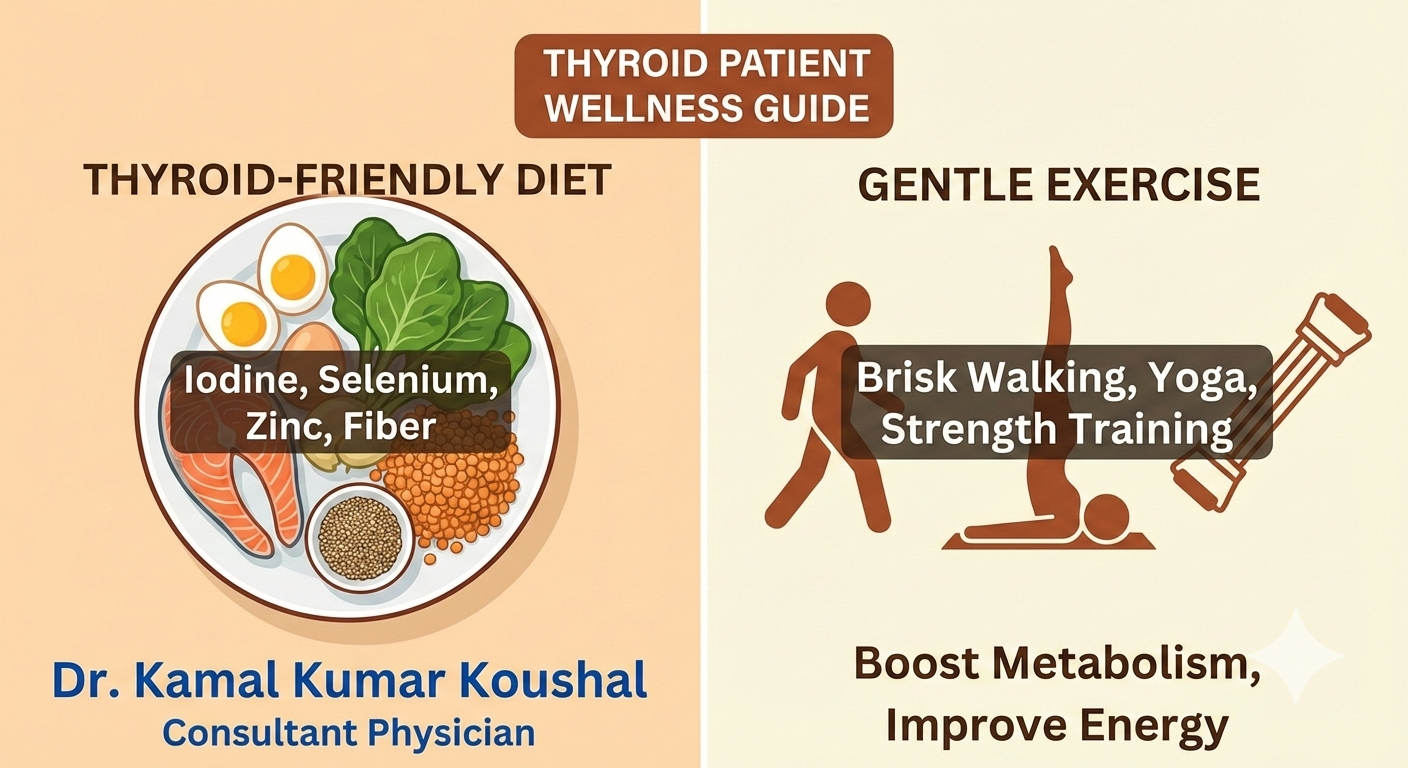
Your thyroid gland relies on specific nutrients to function correctly and produce hormones. While there is no single "thyroid diet," focusing on a few key nutrients can make a significant difference.
Nutrients to Prioritize:
• Iodine: This is the most crucial mineral for your thyroid, as it uses iodine to produce hormones. Ensure you are consuming iodized salt, dairy, and eggs. (Note: If you have hyperthyroidism, you may need to moderate your iodine intake).
• Selenium: This mineral helps convert inactive thyroid hormones into active ones and protects the gland from oxidative stress. You can find selenium in sunflower seeds, lentils, and eggs.
• Zinc: Zinc is vital for thyroid hormone metabolism. Incorporate foods like pumpkin seeds, chickpeas, and whole grains into your meals.
• Fiber-Rich Foods: Hypothyroidism often slows down digestion, leading to constipation. Eating plenty of seasonal vegetables, leafy greens, and whole grains can keep your digestive system moving comfortably.
Foods to Be Mindful Of:
• Goitrogens: These are compounds that can interfere with the normal function of the thyroid gland. They are found in cruciferous vegetables like cabbage, cauliflower, broccoli, and kale. The good news: You do not have to ban them from your diet! Cooking these vegetables significantly reduces their goitrogenic effects, making them perfectly safe to eat.
• Highly Processed Foods: Limit packaged snacks and items high in added sugars, as they can worsen inflammation and contribute to the weight gain often associated with an underactive thyroid.
• Soy: Soy can sometimes interfere with how your body absorbs thyroid medication. It is best to wait a few hours after taking your medication before consuming soy products.
The Best Exercises for Thyroid Patients :
Fatigue, joint pain, and muscle weakness are common complaints among thyroid patients. While intense workouts might feel daunting, the right kind of physical activity will boost your metabolism, improve circulation, and fight off that persistent sluggishness.
• Brisk Walking: This is the easiest and most accessible exercise. A 30-minute daily walk is low-impact, gets your heart rate up, and is excellent for weight management and cardiovascular health without putting stress on your joints.
• Yoga: Yoga is incredibly beneficial for thyroid patients because it combines physical movement with stress reduction. Specific poses, like Sarvangasana (Shoulder Stand) and Matsyasana (Fish Pose), are known to improve blood flow to the neck and stimulate the thyroid gland.
• Strength Training: Hypothyroidism can slow your resting metabolic rate. By lifting light weights or using resistance bands, you can build lean muscle mass, which naturally boosts your metabolism and supports your joints.
• Swimming or Water Aerobics: If you experience joint swelling or pain, water-based exercises are perfect. The water supports your body weight, drastically lowering the impact on your joints while providing a great full-body workout.
Listen to Your Body :
The most important rule when managing a thyroid disorder is to listen to your body. Start slow with your exercise routine, and don't make drastic, overnight changes to your diet without consulting a professional. Consistency is far more important than intensity.
About the Author ;
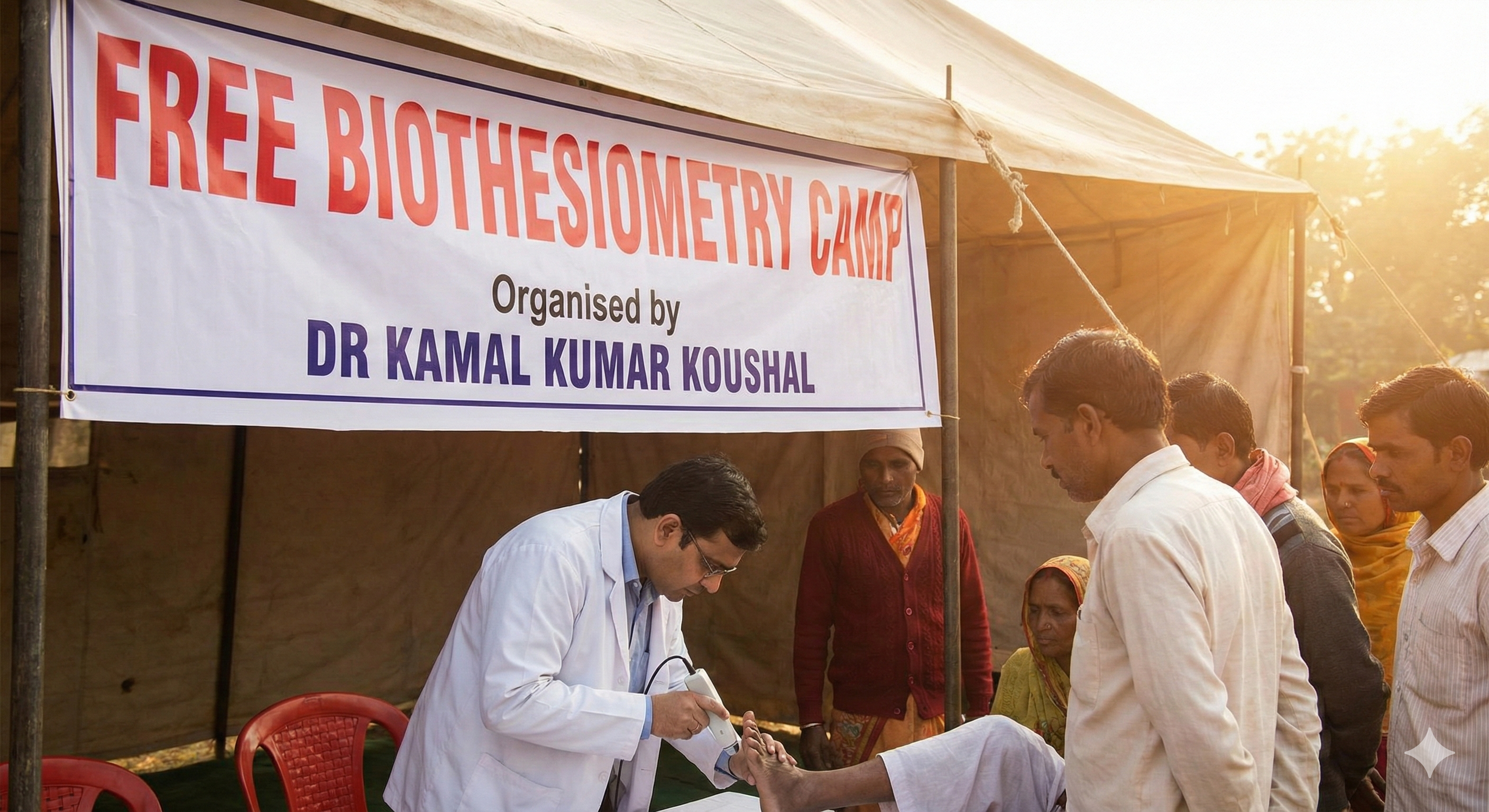
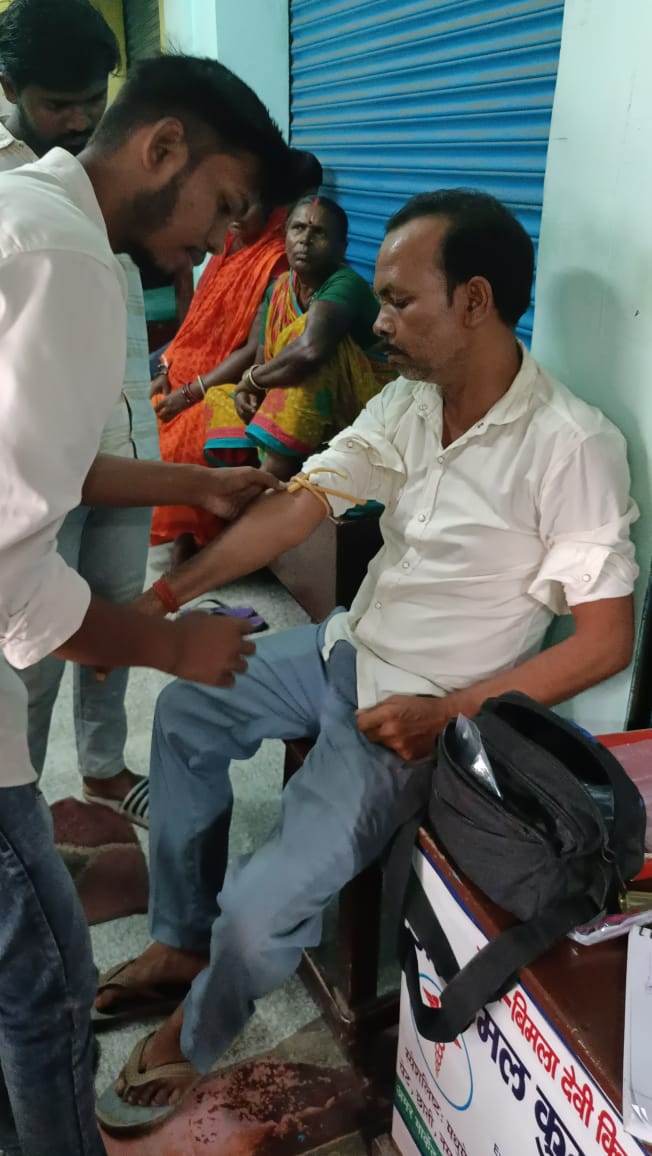
Dr. Kamal Kumar Koushal is a Consultant Physician specializing in diabetes, hypertension, and general medicine. After completing his extensive medical training and residency at RML Hospital and DDU Hospital in Delhi, Dr. Koushal now provides comprehensive, patient-centered care at the Ganga & Bimla Devi Clinic located in Line Bazar, Purnea.
Struggling with unexplained fatigue, weight changes, or suspect a thyroid issue? Don't navigate it alone. Call 8929789711 to book your consultation or Book Online Appointment By Clicking Here with Dr. Koushal today and get a personalized treatment plan tailored to your body's needs.